Featured
Table of Contents
Tailor your guidelines to match campaign intent. Your automation has clear guidelines for every circumstance it may come across.
Begin by incorporating your ad platforms with your attribution and automation system. These combinations permit the system to both pull performance data and push budget change commands back to your ad accounts.
Set up conversion sync to feed accurate data back to platform algorithms. This is where server-side tracking pays extra dividends. When you send out enriched conversion occasions back to Meta or Googleevents that include real revenue, consumer life time value signals, and total attribution datayou improve how those platforms' native algorithms enhance within your projects.
Driving Targeted Traffic Via Advanced Ads
If Meta's algorithm just sees partial conversion information because of iOS restrictions, it enhances based on incomplete information. When you sync complete server-side conversion information back to Meta, you're essentially teaching its algorithm what a valuable conversion in fact appears like. This enhances both manual and automated project performance. Understanding advertisement platform algorithm optimization techniques helps you optimize this advantage.
Equate your recorded guidelines into these condition-action sets. Even if you're positive in your setup, start with lower budget plan modification percentages and longer assessment windows than you may ultimately utilize.
Enable automation for a subset of your campaigns initially. Select your most steady, foreseeable campaignsones with consistent conversion volume and clear performance patterns. Let automation handle those while you continue manually managing newer or more volatile projects. This staged rollout lets you validate that automation works before broadening it throughout your whole account.
Why First-Party Data is the Future of MarketingWhen the system makes its very first spending plan boost or decline, verify that the decision makes sense based on the data. Verify that the budget plan change really carried out in the ad platform.
You can see the decision trailthis campaign crossed the threshold, so automation increased the budget plan by this quantity. The modifications perform successfully in your advertisement platforms without manual intervention. You're no longer the bottleneck in your own optimization process. Automation doesn't suggest "set it and forget it." It means "set it and improve it." The most successful automated optimization systems progress constantly based upon real-world results.
Polishing Existing Display Accounts to Eliminate Waste
At first, inspect automated choices daily. Review what actions the system took, validate they line up with actual efficiency, and search for any unexpected patterns. As your confidence builds and the system proves trustworthy, you can shift to weekly evaluations. Executing finest practices for real-time marketing optimization guarantees you capture issues rapidly.
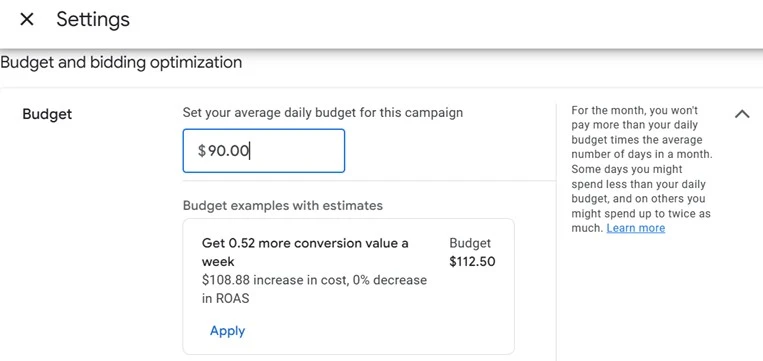
Before automation, what was your average ROAS throughout all campaigns? What was your common time invested on spending plan management each week? Now that automation is active, are those metrics enhancing? The goal isn't simply to save timeit's to accomplish better results while conserving time. Numerous marketers find that automated optimization identifies scaling opportunities they would have missed manually.
Automation catches those chances since it's constantly evaluating every project against your performance thresholds. Improve your thresholds and rules based upon real-world results. Possibly you find that your 4x ROAS threshold is too conservativecampaigns consistently maintain efficiency even when scaled at 3.5 x ROAS. Or possibly you discover that 20% budget plan increases are too shy for your winners, and you can safely scale by 40% without interfering with efficiency.
Improving CTR Using Creative Assets
Look for seasonal patterns or external factors that impact automation efficiency. During high-intent periods like Black Friday, your conversion rates may increase, activating aggressive scaling. Throughout sluggish durations, conversion rates may dip, triggering automation to draw back budgets. Comprehending these patterns assists you change guidelines seasonally instead of fighting versus natural service cycles.
Broaden automation slowly to additional campaigns and platforms. As soon as your initial test campaigns reveal constant improvement under automation, roll it out to similar project types. Ultimately, you might automate spending plan allowance across your entire paid media mixletting the system shift dollars from underperforming Google projects to winning Meta projects based upon cross-platform attribution information.
Keep notes on which rules work best for different campaign types. Tape the edge cases you experience and how you fixed them. This institutional knowledge becomes indispensable as you scale automation or as brand-new employee sign up with. It's the distinction between going back to square one each time versus structure on tested structures.
You're capturing and scaling winning projects quicker than you might manually. You're cutting losses on underperformers before they drain substantial budget plan. The system handles regular optimization choices, freeing you to concentrate on imaginative technique, audience research, and high-level preparation. Establishing automated advertisement invest optimization isn't a one-day projectit's a methodical procedure that constructs on accurate data and clear choice rules.
Improving Click Rates With Creative Assets
You stop reacting to yesterday's efficiency and start proactively scaling what works. Server-side tracking executed and verifiedyour conversion data matches actual business records3.
Optimization rules and thresholds documentedautomation has clear instructions for each scenario5. Platforms gotten in touch with conversion sync activehigh-quality data flows both ways in between your attribution system and advertisement platforms6. Monitoring procedure establishedyou're evaluating automated choices and refining rules based on resultsThe online marketers who are successful with automation are those who invest in the structure.
Start with one campaign or platform, prove the system works, then broaden. Start where you have the most data and the clearest performance patterns. Let success develop self-confidence, then scale your automation alongside your projects.
Polishing Existing Search Accounts to Eliminate Waste
While your rivals are still manually shifting budgets based upon platform dashboards, you're optimizing based upon total consumer journey data and real income attribution. That distinction compounds with time. Prepared to stop handling advertisement spend by hand and start letting data drive your choices? The right attribution foundation makes all the difference between automation that loses budget plan and automation that scales winners.
That's why today, we're presenting to give companies an easier method to handle their ad budget plans and ensure ideal results. This tool will be rolling out to advertisers in the coming months. Using project budget plan optimization, advertisers can set one main project budget plan to optimize throughout ad sets by dispersing spending plan to the top performing advertisement sets in genuine time.
With campaign spending plan optimization, to get the very best outcomes for their project. In addition to setting a daily or life time project budget, organizations can set bid caps and invest limits for each advertisement set. By dispersing more of a budget plan to the highest performing advertisement sets, marketers can maximize the total worth of their project.

Latest Posts
Effective Strategies to Support Youth Health
Why Local Programs Improve Children's Healthcare
How Consistent Philanthropic Giving Builds Local Trust